
Serving Southwest Michigan since 1978
Flatfoot Treatment and Surgery in Kalamazoo, MI
Arch support first. Surgery when it’s needed. Modern treatment for fallen arches, adult-acquired flatfoot, and the inner-ankle pain that comes with a collapsing arch.
What Is Flatfoot?
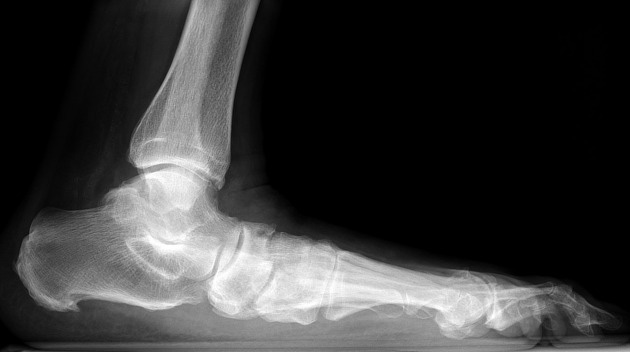
Flatfoot (also called fallen arches or pes planus) is when the arch on the inside of your foot is low or gone, so most of the sole touches the ground when you stand. Some people are born with flat feet and never have pain. Others develop a flat arch over time as the tendons and ligaments that hold the arch up stretch out or wear down. That second kind, adult-acquired flatfoot, is the one that tends to cause trouble.
The arch is held up mostly by a tendon on the inside of your ankle, the posterior tibial tendon. When that tendon is overloaded, injured, or weakened, the arch slowly drops. As it does, the foot rolls inward, the heel tilts out, and the front of the foot points away from the body. This is why flatfoot pain often starts on the inside of the ankle and later moves to the outside of the foot. Caught early, a falling arch can usually be supported and stabilized. Left alone, it tends to get worse, and the bones and joints can stiffen into a fixed flat position.
Types of Flatfoot
The cause and whether the arch can still move both change the treatment plan. These are the forms we most often treat.
Flexible Flatfoot
The most common type, and the most treatable. The arch flattens when you stand but reappears when you sit or rise onto your toes. Many people have flexible flat feet with no pain at all, and when it does hurt it usually responds well to support.
Adult-Acquired Flatfoot
A once-normal arch that collapses in adulthood, usually caused by a failing posterior tibial tendon. Pain and swelling start on the inside of the ankle, and it progresses in stages, so catching it early matters.
Rigid Flatfoot
The foot stays flat and the arch will not return. The joints have stiffened, often from arthritis or a tarsal coalition. Rigid flatfoot is harder to treat without surgery because the support cannot simply be restored.
Flatfoot in Children
Common in young children, and usually outgrown. Treatment is usually only needed when there is pain, the foot is stiff, or one foot looks very different from the other.
Flexible or Rigid Flatfoot? How to Tell the Difference
This is the single most important question in a flatfoot exam, because it changes the whole treatment plan.
A simple in-office test, where we watch your foot as you rise onto your toes, tells us a lot. Weight-bearing X-rays confirm it. If you are not sure which type you have, that is exactly what a consultation answers.
You’ve Probably Already Tried…
Most patients who come in for flatfoot have already worked through some version of this list:
These help, and they are worth trying. Many people keep a flexible flatfoot comfortable for years with the right support. But store-bought insoles and shoe changes do not stop a tendon that is actively failing, and they cannot rebuild an arch that has already collapsed. They manage the symptoms while the deformity may keep progressing underneath.
When to See a Foot and Ankle Specialist
Not every flat foot needs treatment. But here is when it is time to make the appointment:
Treatment Options for Flatfoot
We start with the least invasive options that fit your case and step up only if those stop working. Surgery is the last step, not the first.
Most patients improve with these:
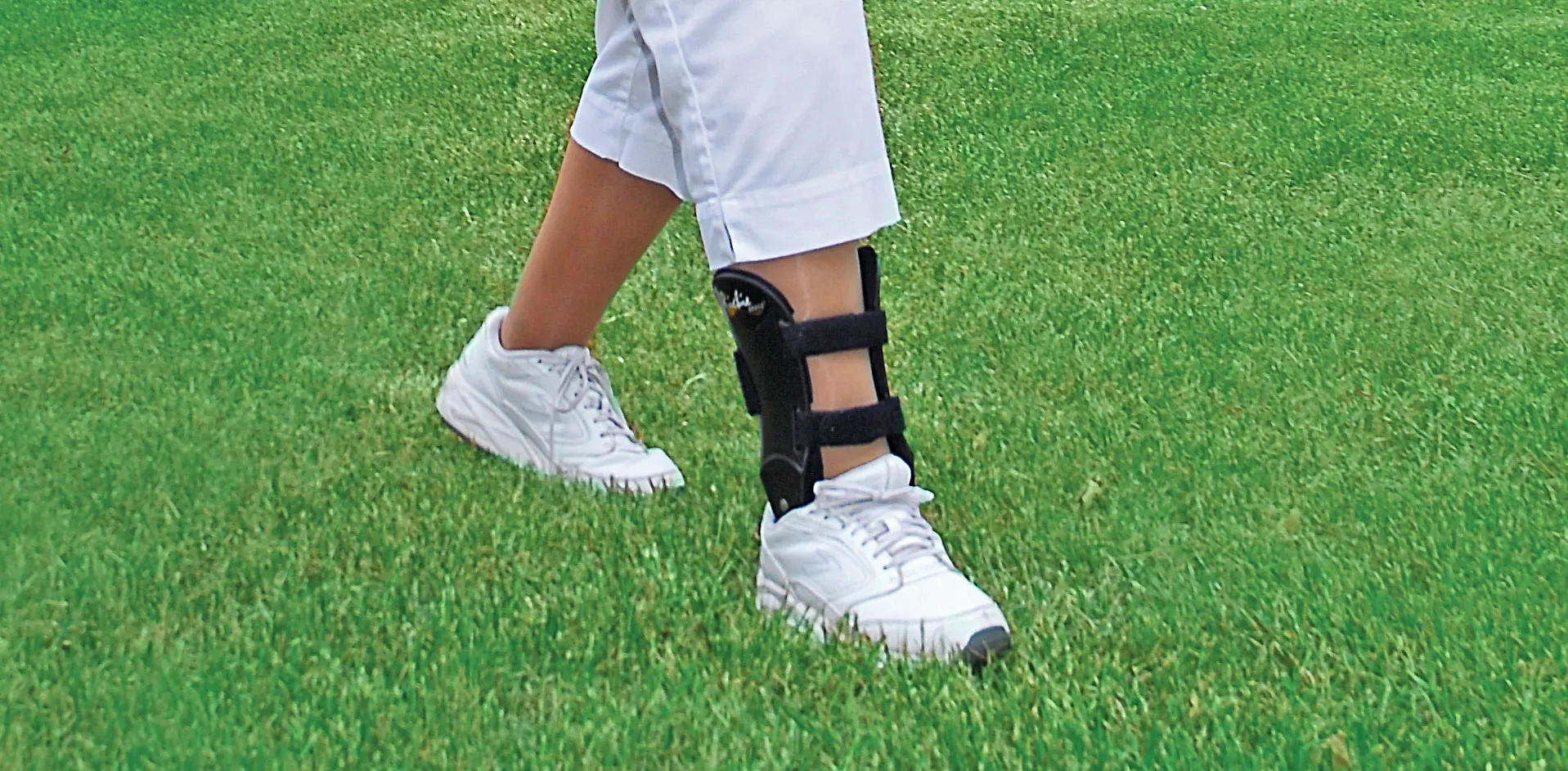
For many people with flexible flatfoot, the right orthotic and a stronger tendon are enough to stay active and comfortable long term.
When non-surgical care has been tried and flatfoot is still causing pain or getting worse, surgery becomes the next step. The right procedure depends on the cause, whether the foot is flexible or rigid, and how far it has gone. Most reconstructions combine more than one of these:
Tendon repair or transfer. A damaged posterior tibial tendon is repaired, or a nearby tendon is rerouted to hold up the arch. Used for flexible adult-acquired flatfoot before the joints stiffen.
Bone realignment (osteotomy). The heel bone or other bones are cut and shifted to rebuild the arch and bring the foot back under the leg, taking pressure off the failing tendon.
Arch support implant. For some flexible flatfeet, a small implant placed in the foot helps hold the arch in a better position. Often combined with tendon work.
Joint fusion (arthrodesis). For rigid or arthritic flatfoot, the stiff, worn joints are fused in a corrected position. The foot no longer flattens and the arthritis pain ends, with the tradeoff that those joints no longer move.
Your surgeon will walk you through which combination fits your foot at the consultation.
What to Expect After Surgery
Flatfoot reconstruction is a bigger recovery than many foot surgeries because it often involves both bone and tendon. The exact timeline depends on what was done.
After Tendon Repair or Transfer
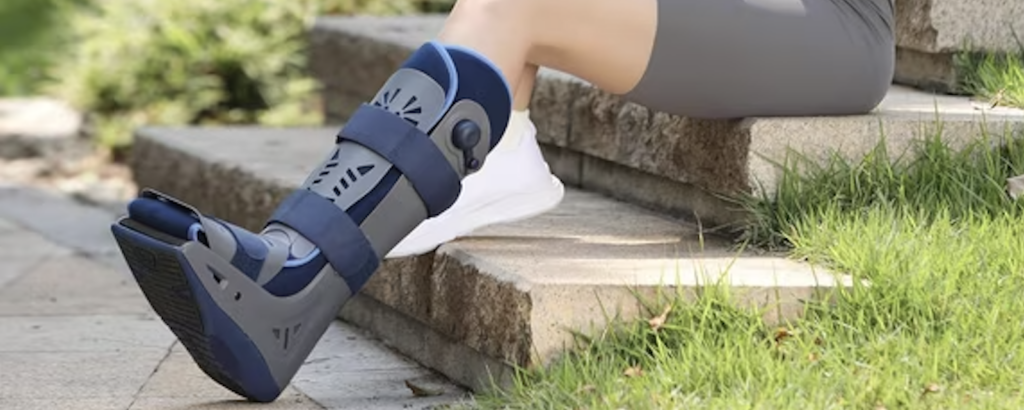
Usually an outpatient procedure. You spend several weeks in a cast or boot keeping weight off the foot, then gradually return to walking in the boot. Most patients are back in supportive shoes by about 3 months and back to full activity over 6 to 9 months as the tendon strengthens.
After Bone Realignment (Osteotomy)
The cut bone needs time to heal, so you stay off the foot in a cast or boot for roughly 6 to 8 weeks. Walking returns gradually after that, with most patients in normal shoes by 3 to 4 months and full recovery over 6 to 12 months.
After Joint Fusion
This is the longest recovery of the flatfoot procedures. Expect 6 to 8 weeks off the foot while the fusion sets, then a gradual return to walking. Comfortable walking usually comes by 4 to 6 months. The fused joints will not move, but the pain and the collapse are corrected.
Your surgeon will give you a specific timeline at the consultation, based on the procedure and your health. Flatfoot related to foot and ankle arthritis may be managed alongside that condition.
Why Patients Across Southwest Michigan Choose Kalamazoo Foot Surgery
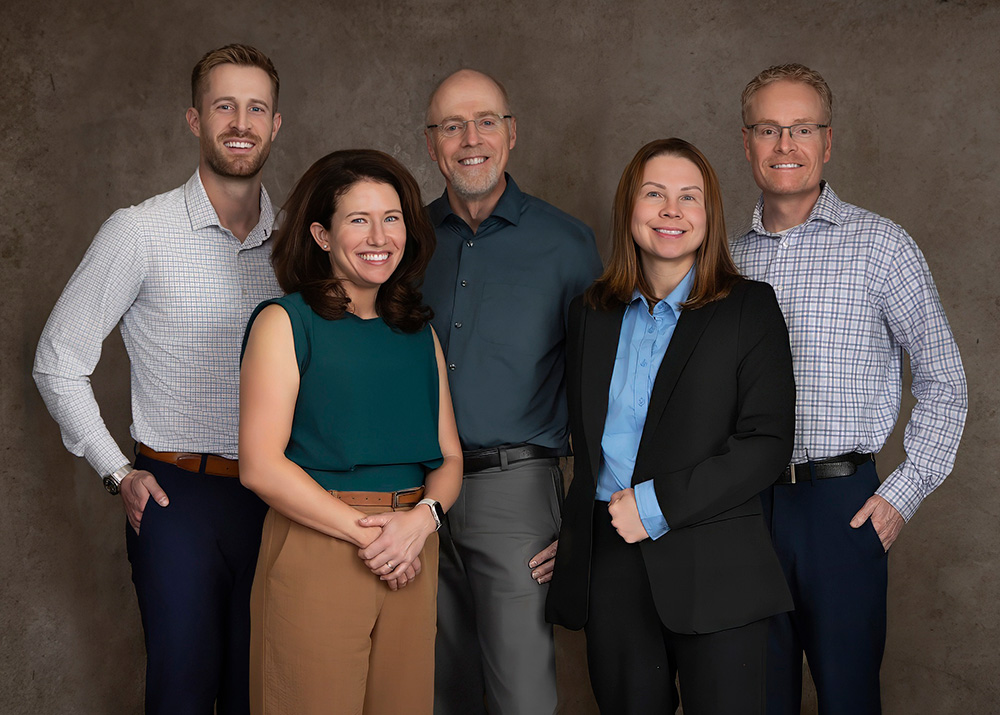
Flatfoot is one of those conditions where having options matters. A failing arch can be managed with a custom orthotic, a brace, tendon-focused therapy, a single procedure, or a full reconstruction, and the right answer depends entirely on your foot. Kalamazoo Foot Surgery has five foot and ankle surgeons, each a Fellow of the American College of Foot and Ankle Surgeons (FACFAS), so your plan is matched to your condition and your goals rather than to whatever one doctor happens to do.
Serving Kalamazoo since 1978, with surgical privileges at Bronson, Ascension Borgess, and Woodbridge Hills. Patients drive in from across Southwest Michigan, including Portage, Battle Creek, Mattawan, Texas Township, Plainwell, Richland, Galesburg, and Paw Paw.

Dr. Rick Tiller
DPM, FACFAS
Foot & ankle surgery since 1991

Dr. Andrew Robitaille
DPM, FACFAS
Forefoot & reconstructive rearfoot surgery

Dr. Douglas Brewer
DPM, FACFAS
26+ years of experience

Dr. Elizabeth Horton
DPM, FACFAS
Reconstructive surgery, trauma & sports

Dr. Jessica Patterson
DPM, FACFAS
Wound care
What Our Patients Say
Frequently Asked Questions
Schedule Your Flatfoot Consultation
How you move forward depends on where you are.