Expert heel pain relief and plantar fasciitis care in Kalamazoo
One of the most common causes of heel pain we see at Kalamazoo Foot Surgery is plantar fasciitis—sometimes referred to as heel spur syndrome due to the presence of a heel spur on imaging.
While our feet are designed to handle daily stress, overuse can lead to small tears or inflammation in the plantar fascia—the thick band of tissue that stretches from your heel to the base of your toes. This tissue supports your arch and absorbs much of the impact when you walk or stand.
When the plantar fascia becomes irritated or inflamed, it can cause sharp, persistent heel pain that impacts your daily life.
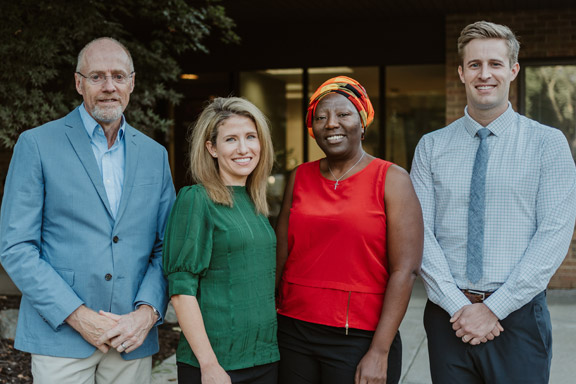
At Kalamazoo Foot Surgery, our team—Dr. Rick Tiller, DPM, Dr. Elizabeth Horton, DPM, Dr. Andrew Robitaille, DPM, and Dr. Douglas Brewer, DPM—routinely treats patients with plantar fasciitis using a combination of conservative therapies and advanced treatment options, including surgical intervention when necessary.
Common Causes of Plantar Fasciitis
You may be at higher risk of developing plantar fasciitis if:
- You have flat feet or high arches
- You spend long hours on hard surfaces wearing non-supportive footwear
- You are overweight, increasing strain on your feet
- You participate in repetitive-impact sports like running
Symptoms of Plantar Fasciitis
Patients typically describe:
- Heel pain that’s worst when taking the first steps in the morning
- Discomfort after periods of rest, like sitting or driving
- Pain in the bottom of the heel or arch
- Aching or sharp sensations that gradually worsen over time
Diagnosis
During your visit, one of our experienced podiatrists will:
- Take a detailed history of your symptoms
- Examine your foot for signs like tenderness near the heel, limited ankle mobility, or pain with dorsiflexion (pulling the toes upward)
- Evaluate foot structure (e.g., arch height)
To confirm the diagnosis and rule out other causes like fractures or arthritis, X-rays or other imaging may be recommended.
Heel Spurs: Cause or Coincidence?
While many patients with plantar fasciitis have heel spurs visible on imaging, it’s important to note that these spurs are rarely the true cause of pain. The inflammation of the fascia itself is the primary issue in most cases.
Treatment Options for Plantar Fasciitis
Most cases of plantar fasciitis improve within a few months using non-surgical approaches. However, if pain persists, our team may recommend additional therapies or surgical intervention.
Nonsurgical Treatments
Initial treatment typically includes:
- Rest and reduced physical activity
- Stretching exercises for calves and plantar fascia
- Supportive footwear—avoid going barefoot, even at home
- NSAIDs like ibuprofen for pain and inflammation
- Icing the heel 2–3 times per day for 15–20 minutes
- Night splints or foot straps to reduce morning pain
If your symptoms continue, we may explore:
- Physical therapy
- Custom orthotics to address biomechanical issues
- Injection therapy, such as corticosteroids or regenerative amniotic fluid injections
- Walking boot or cast to immobilize the foot during healing
- Advanced regenerative medicine (biologic injections)
Surgical Options
Only a small number of patients need surgery for plantar fasciitis. If your pain has lasted 6 months or more without improvement, surgery may be considered.
Surgical techniques may include:
- Partial release of the plantar fascia to reduce tension
- Heel spur removal, if spurs are contributing to irritation
We typically reserve surgery for cases that have not responded to all other treatment methods. If appropriate, we’ll refer you to a trusted foot and ankle surgeon for further care.
Expert Foot & Ankle Care You Can Count On
At Kalamazoo Foot Surgery, we’ve been proudly serving the community since 1978—delivering trusted, high-quality care for foot and ankle conditions of all kinds. Our board-certified podiatrists specialize in advanced orthopedic, sports medicine, and regenerative treatments designed to get you back to doing what you love.
We take a personalized, patient-first approach to care. From your first visit through follow-up appointments, our team works closely with you to ensure a smooth recovery and long-lasting relief.
If you’re ready to move comfortably and confidently again, schedule your appointment with us today.